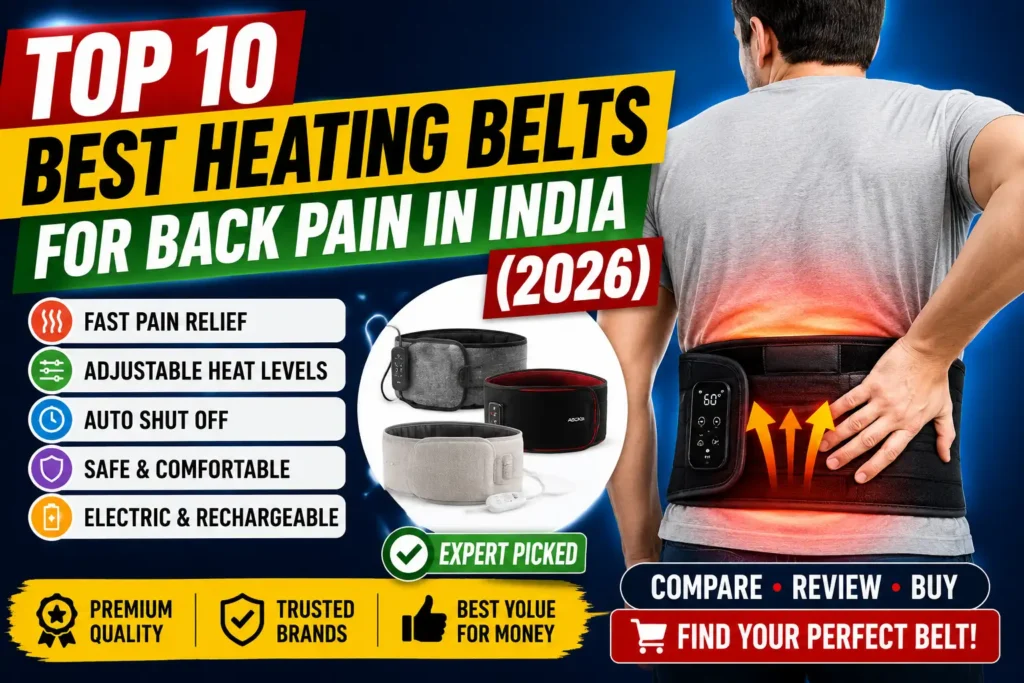
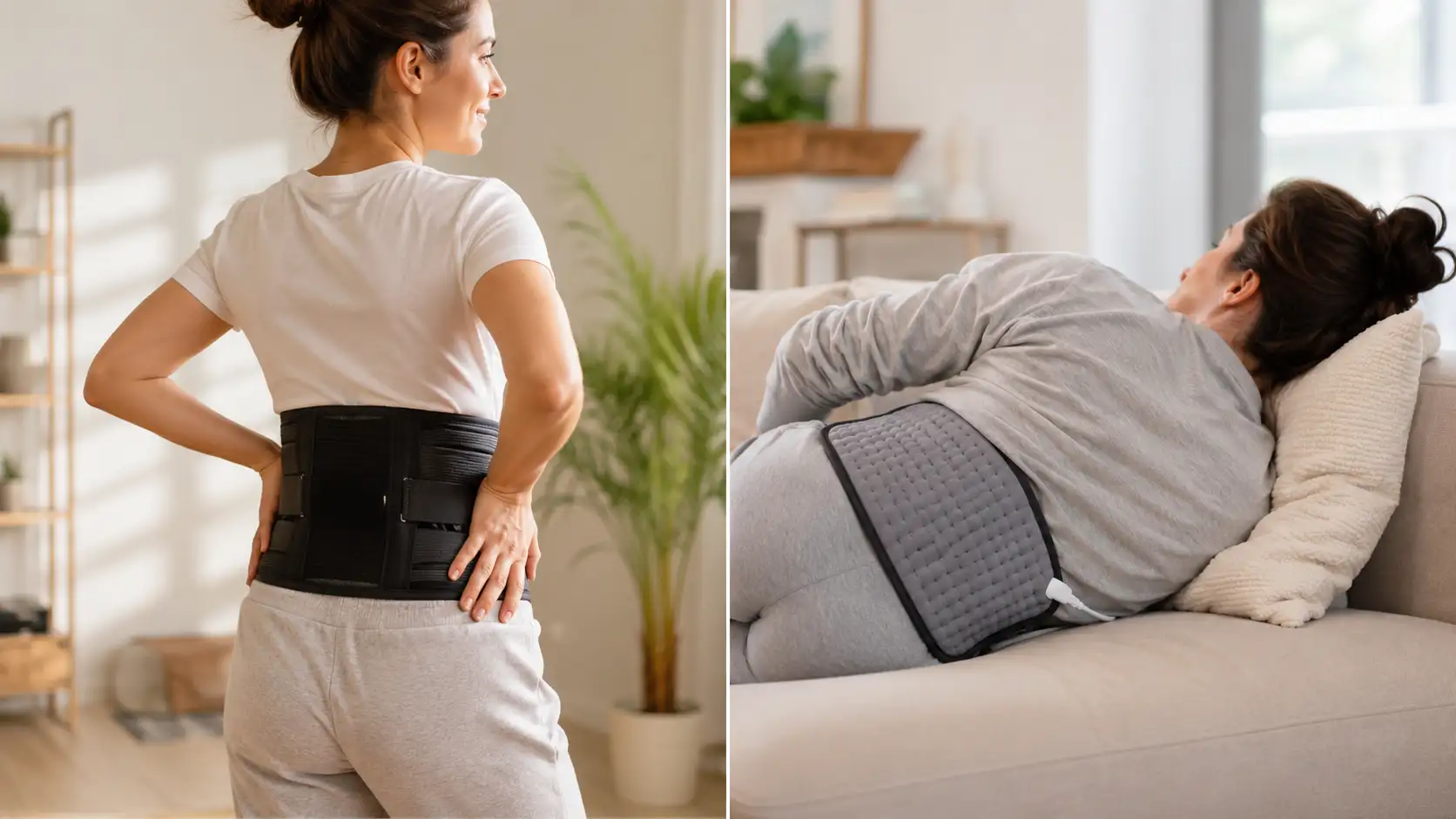
Heat therapy is still one of the most effective ways to relax muscle pain and joint stiffness, as well as body aches. Whether the discomfort is caused by poor posture, sports injuries, arthritis, or long working hours, involving heat therapy helps in relaxing muscles as well as improve blood circulation. Nowadays there are several heat therapy products available in the market to choose from, but two of the most popular options are Orthopaedic heating belts and regular heating pads.
However, both products are used to reduce pain, but they differ in design, functionality, and the type of support they provide. People think that they work in the same way, but choosing the right option is equally important. Here the result depends on the location of the pain, the frequency of use, and your daily lifestyle. Understanding these differences can help you decide the right product that delivers better comfort and long-term relief.
Understanding Heat Therapy for Pain Relief
Heat therapy, or thermotherapy, includes applying controlled heat to a painful area of the body. The heat expands blood vessels, allowing improved blood circulation to the affected muscles and joints. Improved circulation allows better supply of oxygen and nutrients, helping tissues recover during reduced muscle tension.
Heat also loosens tight muscles as well as improves flexibility. This enables everyday activities including walking, bending, or lifting comfortably. Several medical experts recommend heat therapy for issues like chronic pain, muscle stiffness, mild strains, as well as joint discomfort, because it offers a simple, non-invasive method of pain management.
But it is also true that heat therapy is not suitable for every condition. Because fresh injuries involving swelling or inflammation usually respond better to cold therapy during the first few hours. Once the swelling reduces, thereafter applying heat therapy becomes more beneficial for recovery and pain relief.
What Is an Orthopaedic Heating Belt?
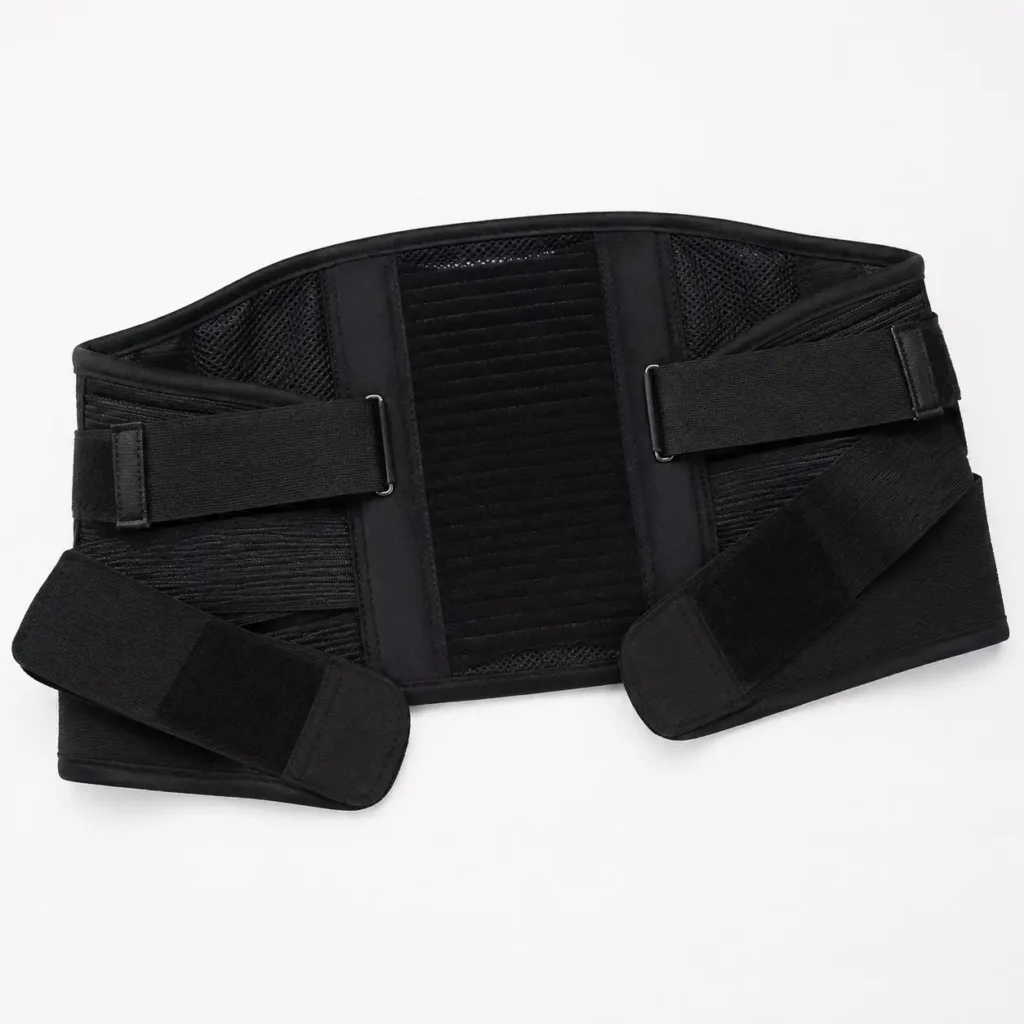
An Orthopaedic heating belt is a wearable heat therapy providing device that has been designed to provide warmth and support to stressed parts of the body. Unlike a standard heating pad, it wraps properly, covering the affected area by using adjustable straps, enabling users to move comfortably while receiving consistent heat therapy.
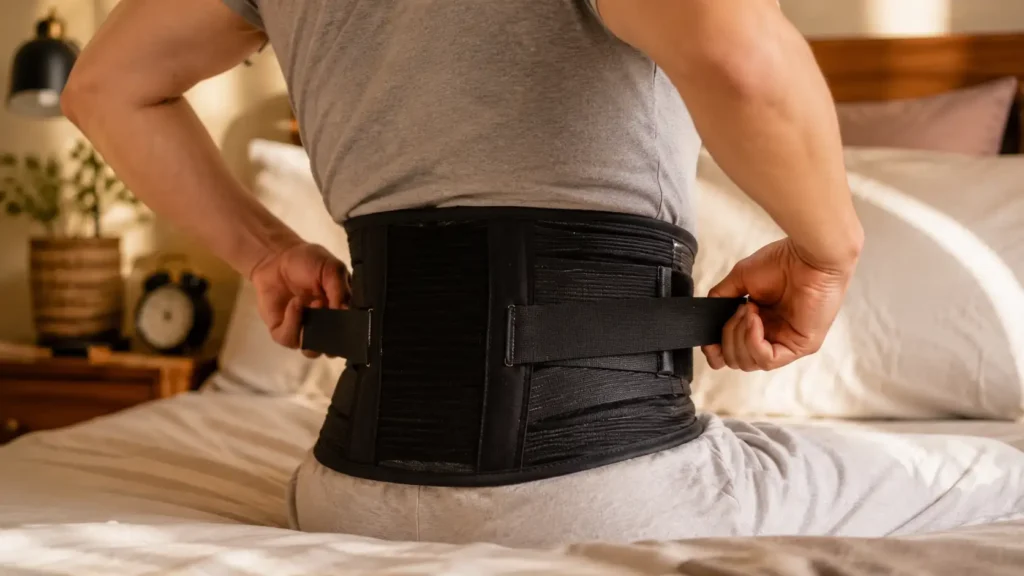
Many Orthopaedic heating belts include built-in adjustable temperature settings, ergonomic designs, and flexible materials that fit different body shapes. There are models combining heat therapy along with vibration functions to improve relaxation and enhance comfort.
How It Works
The belt creates controlled heat through built-in heating elements, distributing warmth evenly across the problem area. Because it remains at a single place, that’s why the heat stays focused on the muscles and joints that require relief. This approach helps in improving comfort while reducing unnecessary heat exposure to surrounding areas.
The majority of the modern belts warm up instantly and enable the users to adjust the temperature according to their comfort level. The consistent heat distribution makes them suitable for extended use at home or even while working.
Common Conditions It Helps Manage
Orthopaedic heating belts are commonly used to relieve lower back pain, neck stiffness, shoulder discomfort, knee pain, muscle fatigue, and joint stiffness. Many people who spend long hours sitting at a desk or standing during work also use these belts to reduce muscle tension after a busy day. They are equally useful for individuals recovering from mild muscle strain or managing long-term conditions such as arthritis, where regular heat therapy helps improve mobility and reduce discomfort.
What Is a Regular Heating Pad?
A regular heating pad is a flat heating device that provides warmth to different parts of the body. It is available in electric and microwaveable versions and is commonly used at home for temporary pain relief. Unlike an orthopaedic heating belt, it is not designed to wrap around the body or stay securely in one position.
Regular heating pads are lightweight, easy to use, and suitable for people who prefer simple heat therapy while resting. They can be placed over the back, shoulders, legs, or other painful areas, making them a convenient option for occasional use.
How It Works
A regular heating pad transfers heat directly to the affected area through an electric heating element or a heat-retaining material. The user places it over the painful region for a specific period to relax muscles and improve blood circulation. Most electric heating pads offer multiple heat settings, allowing users to choose a comfortable temperature based on their needs. Unlike an Orthopaedic heating belt, a regular heating pad does not stay in place while you move. It is best used when sitting or lying down, making it suitable for short relaxation sessions at home
Orthopaedic Heating Belt vs Regular Heating Pad: Key Differences
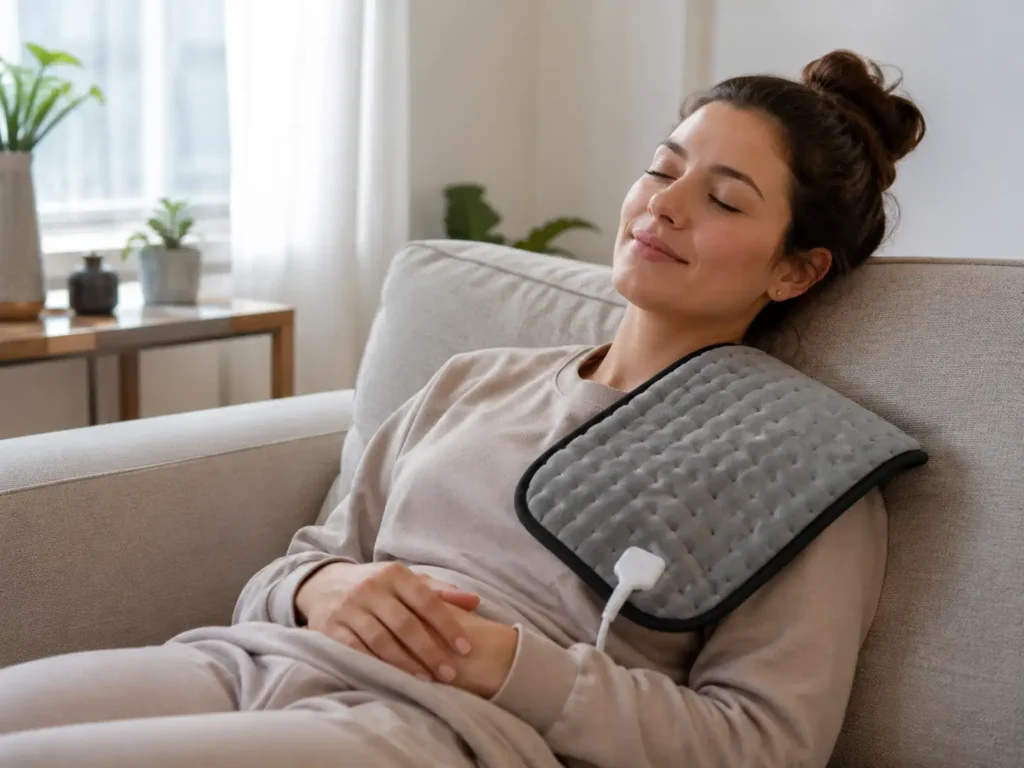
Both the orthopaedic heating belts and regular heating pads provide heat therapy treatment, but their design and usage are quite different fulfilling different purposes. The correct choice depends on your pain type, frequency of use, as well as daily routine. Therefore, understanding these differences can let you choose a product that offers better comfort and convenience.
1. Design and Fit
An orthopaedic heating belt covers the stressed body part and position itself securely. Its adjustable strap contributes in maintaining proper contact, allowing the heat to remain concentrated on the required spot. A regular heating pad at the time has a flat design and it simply stays over the body. Its position may move during its use, so users generally need to remain seated or lying down for comfortable and proper application.
2. Portability and Ease of Use
An orthopaedic heating belt provides better freedom during use as it remains attached to the body. Users can perform light activities as well while enjoying the heat treatment. A regular heating pad works best when you are resting. It can be placed on a chair, sofa, or bed, making it a convenient choice for short relaxation sessions.
3. Heat Distribution
Heating belts stays nearby the body throughout the session. This feature offers consistent warmth across the covered area without regular adjustments. At the same time, regular heating pads also provide effective warmth, but even a slight movement can sometimes move them from their position. This can reduce consistent contact with the affected area.
4. Safety Features
Modern heating belts and electric heating pads often include useful safety features. These may include adjustable temperature controls, automatic shut-off, and overheat protection. Regardless of the product you choose, always follow the manufacturer’s instructions. Avoid excessive heat or prolonged use, as this may cause skin irritation or burns.
5. Targeted Pain Relief
An orthopaedic heating belt offers focused warmth to a specified area. This makes it useful for people who on regular basis face discomfort in areas such as the lower back, knees, or shoulders. But when a regular heating pad is concerned then it provides wider coverage and can be placed over different parts of the body. However, it may require repositioning frequently to maintain contact with the painful area, therefore making it difficult to use.
Benefits of Using an Orthopaedic Heating Belt
An orthopaedic heating belt can be a convenient option for people who need regular and targeted heat therapy. Its wraparound design keeps the heating surface close to the affected area, providing consistent warmth throughout the session. One of its main advantages is the hands-free design. Once secured properly, the belt can stay in place while you sit, work, read, or perform light daily activities. This makes it more convenient than a heating pad for people who do not want to remain stationary.
Adjustable heat settings also allow users to choose a comfortable level of warmth. Regular use may help relax tight muscles and make everyday movement more comfortable. For people who frequently experience back discomfort, muscle stiffness, or joint soreness, an orthopaedic heating belt can offer a practical heat therapy solution.
Benefits of Using a Regular Heating Pad
A regular heating pad is a simple and flexible option for occasional heat therapy. Its flat design allows it to be placed over different parts of the body, depending on where warmth is required. It can be useful for muscle soreness, mild stiffness, and temporary discomfort after physical activity or long working hours.
Since it is easy to position and operate, it can be a convenient addition to a home comfort routine. A regular heating pad can also be a suitable choice for people who mainly use heat therapy while resting. It provides warmth without requiring a wearable design or additional straps.
Which Option Is Better for Different Types of Pain?
The better option depends on where the discomfort occurs and how you prefer to use heat therapy. Both products can provide warmth, but one may be more convenient for a particular situation.
Back Pain
In the case of back discomfort, an orthopaedic heating belt is a practical choice, as it wraps the affected area and remains in position. This way the belt allows users to receive consistent warmth without readjusting the
product. But when a regular heating pad is considered then it can also be used for back while resting, but the disadvantage here is that it may move while changing the position.
Neck and Shoulder Pain
Both options can provide warmth for neck and shoulder discomfort. A heating belt designed for these areas offers a secure fit, while a regular heating pad provides flexible placement. For focused discomfort, a targeted heating belt may be more convenient. A heating pad can work well when you want broader warmth while relaxing.
Knee Pain
An appropriately designed heating belt can stay close to the knee and provide consistent warmth around the affected area. Its secure fit can make it convenient during a heating session. A regular heating pad can also provide warmth to the knee, although it may require repositioning to maintain proper contact.
Muscle Soreness
A regular heating pad can be useful for general muscle soreness because it can cover larger areas. It is especially convenient after exercise or a physically demanding day. If soreness repeatedly affects one specific area, a heating belt may provide more focused and convenient warmth.
Joint Stiffness
Heat therapy can be useful for people experiencing occasional joint stiffness. An orthopaedic heating belt can provide targeted warmth around a particular joint, while a regular heating pad offers greater flexibility in placement. The choice should depend on the affected area, frequency of discomfort, and preferred method of use.
Final Verdict: Which One Should You Choose?
There is no single option that works best for everyone. Your choice should depend on your discomfort, lifestyle, preferred method of use, and how frequently you require heat therapy. An orthopaedic heating belt may be a better choice if you experience frequent discomfort in a specific area. Its wearable design, secure fit, and targeted warmth make it convenient for regular use.
A regular heating pad can be a better option for occasional soreness or general muscle relaxation. It is simple to use and can be placed over different areas of the body while you rest. Before choosing either option, consider where you need heat therapy and how you plan to use the product. A product that fits naturally into your routine is more likely to provide a comfortable and convenient experience.
Making the Right Choice for Long-Term Comfort
Both orthopaedic heating belts and regular heating pads can be useful additions to a heat therapy routine when used correctly. Their main difference lies in how they deliver warmth and how conveniently they can be used. An orthopaedic heating belt offers targeted and hands-free warmth, while a regular heating pad provides flexible coverage during rest.
Understanding these differences makes it easier to select an option that suits your needs. Always use heat therapy according to the manufacturer’s instructions and avoid excessive heat or prolonged exposure. When used responsibly, the right heating product can provide soothing warmth and support greater comfort during everyday life.
Which is better for back pain—a heating belt or a heating pad?
An orthopaedic heating belt is usually better for back pain since it stays securely in place and provides consistent warmth even while moving.
Can I wear a heating belt while working or walking?
Yes, most orthopaedic heating belts are designed with adjustable straps so you can wear them during light activity, unlike a regular heating pad.
Is heat therapy safe for joint stiffness?
Yes, heat therapy is generally safe for joint stiffness once any swelling has settled. It’s not recommended for fresh injuries with active inflammation.
How long should I use a heating belt or pad each session?
Most experts recommend 15-20 minutes per session. Always follow the manufacturer’s instructions to avoid skin irritation or burns.